

Sports facilities are becoming an essential part of residential, community, and school spaces. Whether you are planning a backyard recreational area or a professional sports complex, understanding pickleball court installation and volleyball court construction is crucial for creating safe, durable, and enjoyable playing environments. Proper planning, material selection, and professional installation ensure long-lasting courts that meet performance and safety standards.
Importance of Professional Pickleball Court Installation
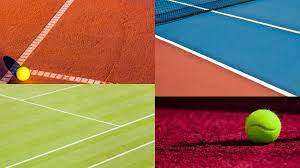
A well-installed pickleball court enhances both player safety and overall game quality. Professional pickleball court installation involves careful site preparation, foundation work, and surface selection. Each step ensures the court remains level, durable, and resistant to outdoor conditions, such as sun, rain, and temperature fluctuations. Key considerations include:
- Site Preparation: The chosen area should be leveled and cleared of debris. Proper grading is necessary to ensure water drainage, preventing surface damage and uneven playing conditions.
- Sub-Base and Foundation: A stable foundation, often made of crushed stone, gravel, or asphalt, provides support for the playing surface. A strong sub-base prevents cracking and ensures long-term durability.
- Surface Material: The choice of surface affects performance and maintenance. Options include acrylic coatings, synthetic modular tiles, rubberized surfaces, or coated concrete/asphalt. Each material provides different levels of traction, shock absorption, and weather resistance.
Key Elements of Volleyball Court Construction
Volleyball courts require specific construction techniques to provide a safe and enjoyable playing experience. Proper volleyball court construction includes:
- Court Dimensions and Layout: A standard volleyball court measures 18 meters long by 9 meters wide. Accurate layout ensures fair play and adherence to official standards.
- Surface Selection: Outdoor volleyball courts can use sand, synthetic surfaces, or acrylic coatings depending on the setting. Indoor courts typically use hardwood or synthetic materials for smoothness and traction.
- Safety and Durability: Installing proper padding around net posts, boundary lines, and fencing prevents injuries. Durable surfaces withstand heavy use and reduce maintenance costs.
- Additional Features: Adequate lighting, seating, and net systems enhance the playing environment and make the court suitable for competitive or recreational use.
Benefits of Proper Court Installation
Investing in professional installation and high-quality materials provides several advantages:
- Durability: Properly installed courts last longer and resist wear and tear from frequent use and weather conditions.
- Safety: Quality surfaces and precise construction reduce the risk of injuries during play.
- Enhanced Performance: Consistent surfaces ensure better ball bounce, footing, and player movement.
- Low Maintenance: Professionally installed courts require less frequent repairs, saving time and money over the years.
Conclusion
Successful pickleball court installation and volleyball court construction depend on careful planning, skilled craftsmanship, and the right materials. Whether for residential, school, or community use, professional installation ensures a safe, durable, and high-performing court. Investing in expertise and quality materials provides a long-lasting facility that offers enjoyment, fitness, and social engagement for players of all ages. By focusing on these essential elements, you can create a sports facility that meets both recreational and competitive needs.
 pulsemarket
Leave a comment