

The rising popularity of pickleball and volleyball has increased the demand for high-quality sports courts in residential, commercial, and community spaces. Whether you’re planning pickleball court installation in your backyard or a professional-level volleyball court construction project, careful planning and execution are key to creating a safe, durable, and enjoyable playing surface.
Why Invest in Pickleball and Volleyball Courts?
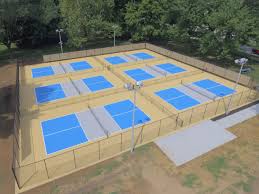
Both sports promote physical fitness, social interaction, and recreational fun. Pickleball, in particular, has seen exponential growth because it’s easy to learn and suitable for all ages. Volleyball, on the other hand, is a team sport that brings communities together. Having a dedicated court not only enhances the playing experience but also boosts property value and encourages an active lifestyle.
Planning the Perfect Pickleball Court Installation
- Court Dimensions
A standard pickleball court measures 20 feet by 44 feet. Adequate space around the boundaries should be included for safe movement. - Base Preparation
The base is typically made of concrete or asphalt. Proper leveling and drainage are crucial to ensure longevity and prevent water accumulation. - Flooring Options
Acrylic coatings, cushioned layers, or modular tiles are commonly used. Each option provides different levels of comfort, durability, and performance. - Accessories
Nets, fencing, and lighting make the court functional and enjoyable at all times of the day.
Volleyball Court Construction Essentials
Unlike pickleball, volleyball courts vary depending on whether they are indoor or outdoor.
- Indoor Volleyball Courts: Typically use wooden or synthetic flooring designed to absorb shock and provide consistent bounce.
- Outdoor Volleyball Courts: Sand courts are most common, especially for beach volleyball. However, grass and modular tile surfaces are also popular.
Key considerations include:
- Standard size of 29.5 feet by 59 feet.
- Adequate drainage systems for outdoor courts.
- Strong poles and net systems to withstand frequent use.
Costs and Budgeting
The cost of court installation depends on several factors, including materials, site preparation, and additional features like lighting or fencing. Pickleball courts are generally more budget-friendly due to their smaller size, while volleyball courts, particularly indoor ones, may require higher investment due to specialized flooring.
Maintenance for Longevity
Regular cleaning and inspections ensure both types of courts remain safe and functional. For pickleball, resurfacing every few years helps maintain grip and playability.volleyball court construction Volleyball courts, especially sand ones, need raking and leveling, while indoor courts require polishing and protective coatings.
Multi-Sport Advantages
Combining pickleball and volleyball courts within the same facility can maximize space utilization. Multi-sport courts are an excellent option for schools, clubs, and community centers, offering flexibility and attracting more players.
Conclusion
Investing in pickleball and volleyball courts enhances recreational opportunities while promoting an active lifestyle. By focusing on proper design, material selection, and professional installation, you can ensure your courts deliver years of enjoyment and top-quality performance.
 pulsemarket
Leave a comment