

There’s a certain calm that comes from standing near a forest edge early in the morning. Not the dramatic silence you see in documentaries, but a living quiet—birds calling, leaves shifting, the smell of damp soil. For many Indians, the idea of working in this environment isn’t just poetic; it’s practical. It’s about service, stability, and doing something that feels a little more grounded than chasing deadlines in an office tower.
That’s why forest department jobs continue to draw attention year after year. In a country where competition for government roles is intense, Van Vibhag positions hold a special place. They sit at the intersection of public service and environmental responsibility, and that combination is rare.
More Than Just a Government Job
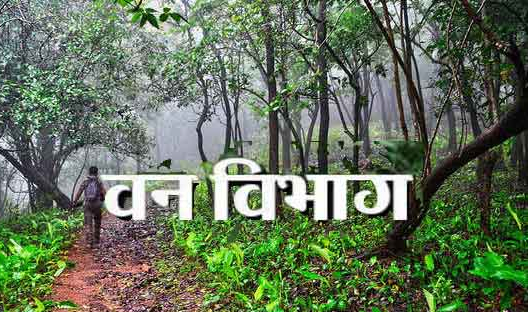
Let’s address the obvious first. People search for forest department jobs because they want security. A steady salary, allowances, pension, and social respect—these are powerful motivators. A sarkari naukri van vibhag offers all of that, but it also asks for something in return. Commitment. Adaptability. And sometimes, real physical and mental endurance.
Unlike many government roles, forest jobs don’t follow a single template. Some days are administrative, filled with reports, coordination meetings, and paperwork. Other days involve field visits, inspections, or patrols in areas far from basic facilities. Transfers can take you to remote districts where mobile signals are weak and comfort is minimal.
Yet, people stay. Not because it’s easy—but because it feels honest.
What Kind of Roles Exist in Van Vibhag?
Most aspirants first hear about Forest Guard or Forester posts. These are frontline roles and often the entry point for many candidates. But the department also recruits Range Officers, Wildlife Guards, Technical Assistants, Clerks, Drivers, and various support staff depending on state needs.
Each role comes with its own rhythm. A Forest Guard may spend hours on foot, monitoring boundaries or tracking illegal activities. A Range Officer might balance staff management with enforcement and community engagement. Office-based roles handle planning, budgeting, and coordination with other departments.
This diversity is one reason the Forest Department attracts people from different educational backgrounds. Science graduates, arts students, rural youth, and even experienced professionals looking for stability all find a place here.
The Reality of Preparation (It’s Not Just Books)
Cracking a forest department recruitment exam isn’t about last-minute cramming. The written tests usually cover general knowledge, reasoning, environmental studies, and sometimes state-specific subjects. But what many candidates underestimate are the physical standards and endurance tests.
Running, walking long distances, and meeting height or chest requirements can be deal-breakers. Plenty of capable candidates fail not because they lack knowledge, but because they didn’t prepare their bodies.
There’s also a psychological aspect. Notifications don’t come every year. Sometimes there’s a long wait. Results take months. The uncertainty can wear people down. Those who succeed usually aren’t the smartest in the room—they’re the most consistent.
Applying Has Become Easier, But Attention Still Matters
Over the last decade, recruitment processes have moved online. Forms, admit cards, results—most of it now lives on official portals. While this has reduced paperwork and middlemen, it hasn’t removed confusion entirely.
Every state has its own forest department website, rules, and timelines. Missing a document upload or misunderstanding eligibility criteria can cost you an entire year. When candidates look up van vibhag apply online , what they’re really searching for is clarity—clear steps, clear deadlines, and reliable information.
The best approach is slow and careful. Read the notification twice. Check age limits, reservation rules, and physical requirements. Keep scanned documents ready. And most importantly, rely only on official sources, not forwarded messages or half-baked social media posts.
Life After Selection: Quietly Demanding, Deeply Fulfilling
Joining the Forest Department isn’t a finish line; it’s a beginning. Training periods can be intense, especially for field roles. You learn forest laws, wildlife behavior, navigation, and emergency response. You also learn patience—because progress in conservation is slow.
There will be days that test you. Harsh weather. Long hours. Conflicts involving land, wildlife, or local interests. And there will be days that remind you why you chose this path—seeing a restored patch of forest, helping prevent a fire, or knowing you played a small role in protecting something bigger than yourself.
The respect that comes with the job is quiet but steady. Locals recognize forest officials. Other departments rely on their input. And within the system, experience is valued more than noise.
Is This Path Right for You?
That’s the question every aspirant should ask honestly. If you’re looking for quick promotions, city postings, and comfort at all times, this may not be the right fit. But if you value stability, purpose, and work that connects you to land and people in a very real way, the Forest Department offers something rare.
It’s not a glamorous career. It won’t make you famous. But it can give you something far more durable—a sense that your work matters, even when no one is watching.
In a rapidly urbanizing India, jobs that protect forests and wildlife are more important than ever. And the people who take up these roles carry a responsibility that goes far beyond a paycheck. For those willing to accept it, Van Vibhag isn’t just a department. It’s a long-term commitment to the future.
 pulsemarket
Leave a comment