pulsemarket

  • UPI has quietly slipped into our daily lives. We use it to buy tea, pay rent, split dinner bills, donate at temples, even tip delivery riders. It’s fast, familiar, and usually invisible. Which is why the moment something goes wrong, it feels jarring. A payment hangs. The money leaves your account. The screen freezes for a second too long. And suddenly, confidence turns into doubt.

    Most people don’t think about how UPI works until it fails them. That’s normal. We aren’t supposed to study payment systems just to buy groceries. But when a transaction fails or behaves oddly, you’re pushed into a world of transaction IDs, vague support replies, and waiting periods that feel longer than they should.
    A failed UPI payment often looks simple on the surface. The app may say “failed,” “pending,” or sometimes even “successful,” while the shopkeeper swears they didn’t receive a rupee. Your bank balance shows a debit. Now what? This is usually the point where panic creeps in, even if the amount isn’t huge. It’s not always about the money. It’s about control, or rather, the feeling that you’ve lost it.

    In most cases, failed UPI payments do resolve themselves. Banks reverse the amount automatically within a few working days. That’s the theory, at least. In practice, delays happen. Apps blame banks. Banks blame networks. And users are left refreshing their balance like it might magically fix things.

    The first thing people do is reach out to in-app support. Sometimes it helps. Sometimes you get templated responses that don’t quite answer your question. When days pass and nothing changes, frustration builds. You start googling. Forums, comments, half-written blog posts. Somewhere along the way, you’ll probably run into the phrase npci online complaint  because that’s exactly what you’re dealing with, even if no one tells you clearly how to file one properly.

    Here’s the truth most guides gloss over: you need patience, but you also need a paper trail. Take screenshots. Save your UTR number. Note the date, time, and amount. These details matter more than emotional explanations when it comes to resolving payment issues. Support teams work on data, not feelings.

    If the app doesn’t resolve it, the next logical step is your bank. Every bank has a grievance redressal system, even if it’s buried deep on their website. Filing a complaint there adds weight to your issue. Banks are regulated, and they’re required to respond within a certain time. This alone solves a large percentage of stuck payments.

    But not all of them.

    There are moments when you feel like you’re talking to a loop. Same replies, same assurances, same “please wait 24–48 hours” messages. That’s when many users give up, assuming the system is too big to care about one failed transaction. That assumption is understandable, but it’s not entirely true.

    UPI is operated under NPCI, and NPCI exists to ensure the system works fairly for users, not just banks and apps. If your issue remains unresolved even after contacting both the app and the bank, escalation is not only allowed, it’s encouraged. Filing an upi payment failed complaint gives your issue visibility beyond customer support scripts. It creates accountability.

    The process itself isn’t complicated. You explain what happened, provide transaction details, and submit supporting proof. What changes is the tone of the response you receive afterward. Issues that once felt ignored suddenly get acknowledged. Timelines become clearer. Someone, somewhere, is actually tracking your case.

    That doesn’t mean instant miracles. Some cases still take time, especially if multiple banks or technical errors are involved. But there’s a difference between waiting passively and waiting with a reference number in hand.

    What’s interesting is how common these issues are, yet how rarely people talk about them openly. Failed payments are often brushed off as minor inconveniences. But when digital payments become the backbone of daily life, reliability matters. Trust matters. And systems only improve when users speak up.

    There’s also a lesson here about expectations. UPI is fast, but it isn’t magic. It relies on servers, networks, banks, and human processes. Glitches happen. The key is knowing where to turn when they do. Not reacting emotionally, but methodically. That alone saves a lot of mental energy.

    If you’ve never faced a UPI issue, chances are you will someday. When it happens, don’t panic. Start small. Contact the app. Then the bank. Escalate if needed. Keep records. Be polite, but firm. You’re not asking for a favor. You’re asking for your own money.

    ¶¶¶¶¶

    ¶¶¶¶¶

    ¶¶¶¶¶

    ¶¶¶¶¶

    ¶¶¶¶¶

  • Some destinations announce themselves loudly. The Maldives doesn’t. It slips into your thoughts quietly, usually when life feels a bit too crowded — mentally, emotionally, digitally. You’re not scrolling travel reels looking for it; it just shows up. A memory of blue water. A half-remembered photo of a villa on stilts. A friend who came back different, softer around the edges.

    Planning a trip to the Maldives isn’t really about planning. It’s more like easing yourself toward an idea. The idea of slowing down. Of waking up with no urgency. Of letting the day unfold instead of forcing it into neat little boxes.

    One of the first questions people ask, often before they’ve even committed to going, is about timing. Everyone wants to know the best time to travel to maldives , as if there’s a single perfect window that guarantees magic. The truth is more human than that. The Maldives doesn’t switch on and off with the seasons — it just changes its mood.

    Between November and April, the islands tend to show off. Clear skies, calmer seas, long sunny days that feel almost designed for postcards. It’s peak season, which means higher prices and fuller resorts, but also that classic Maldives look people dream about. The kind of weather where the ocean looks photoshopped even when it isn’t.

    Then there’s the rest of the year. The so-called off-season gets an unfair reputation. Yes, there’s more rain. But it’s rarely the kind that ruins a day. Showers pass quickly, clouds move on, and the water stays warm. Resorts are quieter. Deals are better. And the experience feels more intimate, less polished in a good way. Some travelers swear this is when the Maldives feels most honest.

    Weather aside, timing is also about you. About what you need when you arrive. If you’re burnt out, any month will feel right. If you’re celebrating something — a honeymoon, an anniversary, a long-delayed break — the calendar matters less than the intention behind the trip.

    What often surprises people is how little “doing” there is on a typical day. And how freeing that feels once you surrender to it. Mornings drift by with slow breakfasts and ocean swims. Afternoons stretch into naps, reading, or staring at the horizon without feeling guilty. Evenings arrive gently, usually with a sunset that feels personal, as if it showed up just for you.

    That doesn’t mean there’s nothing to explore. Snorkeling is practically unavoidable — the reefs are too close, too alive to ignore. Diving opens up an entirely different world, one that humbles you fast. There are sandbanks that appear and disappear. Quiet local islands if you want a glimpse beyond the resort bubble. But none of it demands urgency. You can opt in or out without feeling like you’re missing something.

    This is where choosing a maldives tour can make a difference, especially for first-time visitors. When transfers, accommodations, and meals are taken care of, the mental load disappears. You’re not negotiating boats or scanning maps. You’re just… there. And in a place like the Maldives, that kind of ease is half the experience.

    Accommodation choices shape the trip more than people expect. Overwater villas are iconic for a reason — stepping straight into the lagoon feels surreal every single time. But beach villas carry a different energy. More grounded. More connected to the island itself. Some people start with one and move to the other, easing into the experience like chapters in a story.

    Food becomes part of the rhythm too. Resorts are self-contained, which means dining is both limited and intentional. Fresh seafood, tropical fruits, simple dishes done well. Meal plans often take the pressure off decisions, which might sound trivial until you realize how rare it is to go days without thinking about where or what to eat.

    There’s also an emotional arc to a Maldives trip that no brochure really talks about. The first day feels unreal. The second feels indulgent. By the third or fourth, something shifts. Your phone stays untouched longer. Conversations slow down. You stop thinking about what comes next. That’s when the place really gets under your skin.

    And then, just when you’ve adjusted to that pace, it’s time to leave. Packing feels oddly difficult, not because you have too much stuff, but because you’re trying to fold a feeling into a suitcase. The calm doesn’t want to come with you, but it leaves traces.

    Back home, the Maldives shows up in small ways. You notice how fast people walk. How loud everything is. You crave water, light, quiet. And maybe you don’t change your life dramatically, but you change something subtle. You pause more often. You protect your rest a little harder.

    That’s why the Maldives stays with people. Not because it dazzles endlessly, but because it reminds you of a slower version of yourself. One that still exists, even when life gets noisy again.

    And when that familiar tiredness creeps back in — the kind sleep doesn’t fix — you already know where your mind will wander. Somewhere between blue water and quiet thoughts, where time stretches and the world softens.

    ¶¶¶¶¶

    ¶¶¶¶¶

    ¶¶¶¶¶

    ¶¶¶¶¶

    ¶¶¶¶¶

  • Every few years, career trends change. One decade it’s IT, another it’s startups, then suddenly everyone’s talking about remote work and digital freedom. Yet, quietly and consistently, some career paths never lose their relevance. Jobs in the Van Vibhag fall squarely into that category. They don’t chase trends, and they don’t need to. Their value runs deeper, tied to land, law, and long-term responsibility.

    For many aspirants, especially in India’s heartland, the idea of working with the forest department feels familiar in a way modern jobs often don’t. Maybe it’s because forests have always been part of our stories, our school textbooks, or even childhood memories of travel. Or maybe it’s the simple appeal of a career that promises stability without feeling hollow.

    Whatever the reason, interest in forest department roles hasn’t faded. If anything, it has matured.

    Not Just a Job, But a Way of Living

    There’s a big difference between choosing a job and choosing a life. Forest department work leans toward the latter. It asks more of you than just office hours and exam scores. It asks for patience, physical resilience, and a certain comfort with uncertainty.

    Days can be long. Sometimes quiet, sometimes intense. You might spend hours walking through rough terrain, checking boundaries, monitoring wildlife activity, or coordinating with locals. On other days, it’s paperwork, reports, and meetings that test a different kind of endurance. That mix keeps the work grounded and unpredictable.

    People drawn to sarkari naukri van vibhag  roles often talk about this balance. It’s government service, yes, but not the kind that traps you behind a desk forever. There’s movement, air, and a sense that your presence actually matters in a physical space.

    The Stability Everyone Talks About (and the Part They Don’t)

    Let’s address the obvious. Government jobs are still prized for security. Regular salaries, allowances, pensions, and social respect are powerful motivators, especially in uncertain times. Forest department jobs offer all of that.

    But what doesn’t get discussed enough is the emotional stability that can come with the work. There’s a clarity of purpose that many private-sector roles struggle to offer. You know why your job exists. You know what you’re protecting. That clarity can be grounding, particularly for people who feel overwhelmed by abstract corporate goals.

    At the same time, this isn’t a cushy ride. Transfers can happen. Postings may be in remote areas. Facilities aren’t always ideal. It’s stable, yes, but it asks for adaptability in return.

    Understanding the Application Journey

    The recruitment process for forest department roles has evolved over time. While exams and physical tests remain, much of the process has shifted online, making it more accessible to a wider group of aspirants.

    These days, most candidates start by tracking notifications, eligibility criteria, and deadlines carefully. Educational qualifications, age limits, and physical standards can vary by state and position, so attention to detail matters. A small oversight can mean waiting another year.

    For those navigating how to van vibhag apply online , the key is patience. Government portals aren’t always smooth, and forms can be unforgiving. Uploading the right documents, filling details accurately, and double-checking submissions becomes part of the discipline this career demands right from the start.

    Preparation Is More Than Syllabus Coverage

    Ask anyone who’s cleared a forest department exam, and they’ll tell you the same thing: preparation isn’t just about reading books. Yes, you need general knowledge, environmental awareness, reasoning ability, and sometimes local language skills. But beyond that, there’s a mental shift involved.

    Physical preparation is often underestimated. Running, walking, stamina-building — these aren’t optional extras. They’re core requirements. And unlike written exams, you can’t cram physical fitness at the last minute.

    There’s also a mindset shift. You’re preparing for a role that involves authority, responsibility, and ethical decision-making. Understanding forest laws, conservation principles, and human-wildlife dynamics helps not just in exams, but in shaping how you think about the job itself.

    Life Inside the Uniform

    What’s life actually like once you’re in? It varies, of course, by role and location. But there are some common threads.

    You become part of a close-knit system. Forest staff often rely on each other heavily, especially in remote postings. That builds a sense of camaraderie that’s hard to replicate elsewhere. You also interact closely with local communities, which teaches you quickly that conservation isn’t black and white.

    Rules exist, but reality is nuanced. Balancing protection with people’s needs is an ongoing challenge. You learn to listen more, judge less, and adapt constantly. Over time, this shapes not just your career, but your personality.

    Growth That’s Slow, but Solid

    Career growth in the forest department doesn’t come with dramatic jumps. It’s gradual. Promotions, departmental exams, and years of service slowly move you upward. Some may find this pace frustrating. Others find it reassuring.

    What’s important is that growth is structured and transparent. Experience is valued. Field knowledge counts. And with time, officers often move into roles where they influence policy, training, or conservation planning.

    There’s a quiet satisfaction in that kind of progression. You earn your place, step by step.

    Why This Path Still Makes Sense Today

    In an age where careers often feel disposable, forest department jobs offer something rare: continuity. You’re part of a system that existed before you and will continue after you. Your work contributes to something larger than quarterly results or trending technologies.

    ¶¶¶¶¶

    ¶¶¶¶¶

    ¶¶¶¶¶

    ¶¶¶¶¶

    ¶¶¶¶¶

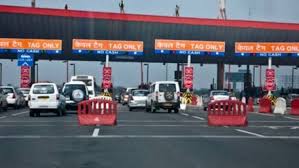
  • Somewhere between your first sip of roadside tea and the soft hum of tyres on open tarmac, highway travel has become… calmer. Not dramatically so, not in a movie-montage way. Just calmer enough that you notice it. Toll booths don’t dominate the journey anymore. They’re still there, of course, but they’ve faded into the background, thanks largely to FASTag and the quiet ecosystem growing around it.

    For most drivers, FASTag started as a compliance thing. You got one because you had to. Over time, though, it became part of the routine—like checking mirrors or adjusting your seat before a long drive. And now, with passes entering the picture, people are rethinking how they want to pay for the roads they use again and again.

    When Pay-As-You-Go Starts Feeling Clumsy

    The standard FASTag model works well if you’re an occasional highway user. You recharge, drive, and the system deducts small amounts as you pass toll plazas. Simple enough.

    But something shifts when you’re on the road often. fastag annual pass buy Daily commutes that involve tolls. Weekly intercity travel. Frequent work trips that blur into each other. Suddenly, those “small” deductions don’t feel so small. Not because they’re wrong, but because they’re constant.

    This is where the idea of planning toll payments ahead of time begins to make sense. Just like mobile plans or internet subscriptions, people want predictability. They want to know what they’re spending before the month even begins.

    The Moment People Start Looking for Passes

    It usually starts casually. Someone mentions a pass at a toll booth. A colleague talks about saving time. A WhatsApp group shares a screenshot. Curiosity kicks in.

    You start wondering whether it’s worth it to fastag annual pass buy options instead of topping up balance every few days. The appeal isn’t just financial—it’s mental. One less thing to monitor. One less alert to check mid-drive. For frequent travelers, that sense of “sorted” can be surprisingly valuable.

    That said, annual passes aren’t magic solutions. They come with conditions. Routes matter. Vehicle categories matter. And if your travel isn’t consistent, the numbers may not work in your favor. Still, for the right user, they can feel like a relief.

    Monthly Passes: The Middle Ground

    Not everyone wants to commit to a full year. Life changes. Jobs shift. Routes evolve. That’s where monthly passes find their audience.

    A fastag monthly pass often feels like a trial version of commitment. You test whether a pass suits your travel style without locking yourself in long term. For people who travel heavily during certain months—project work, seasonal business, family commitments—it can be a practical compromise.

    Monthly passes also suit drivers who like flexibility. If your routine changes, you’re not stuck explaining to yourself why you paid upfront for something you’re no longer using.

    The Fine Print Nobody Reads (But Probably Should)

    Here’s the part most articles gloss over. Passes are only as good as your understanding of them. Many disappointments happen not because the system failed, but because expectations didn’t match reality.

    Some passes are route-specific. Some are valid only for certain toll plazas. Others have usage limits that aren’t obvious at first glance. Skimming through terms might feel tedious, but it’s better than being surprised later.

    A good rule of thumb? Look at your last two or three months of travel. Where did you actually drive? How often? Those answers matter more than promotional headlines.

    Digital Convenience, Human Habits

    One interesting side effect of FASTag passes is how they influence behavior. When people prepay, they often become more conscious of using the roads they’ve paid for. Detours reduce. Planning improves. Travel becomes slightly more intentional.

    On the flip side, some drivers admit they feel oddly relaxed with passes. Since deductions aren’t happening visibly each time, the journey feels smoother, less transactional. It’s a small psychological shift, but it adds up over long drives.

    Of course, none of this works if basic habits fall apart. Tags need to be active. Accounts need to be maintained. A pass doesn’t excuse neglect—it just changes how you pay.

    Is It About Saving Money, Really?

    Sometimes. But not always.

    For many drivers, the real benefit isn’t dramatic savings. It’s stability. Knowing what you’ll pay. Not checking balances before every trip. Not worrying whether a recharge went through at midnight on a lonely highway.

    In that sense, FASTag passes resemble other modern conveniences. They don’t always make things cheaper, but they make them simpler. And simplicity has its own kind of value.

    Not Every Driver Needs a Pass—and That’s Fine

    There’s a quiet pressure online to “optimize everything.” Best plan. Best deal. Best hack. But toll payments don’t need to be optimized to the last rupee for everyone.

    If your travel is irregular, the standard FASTag system works beautifully. It’s flexible, transparent, and easy to manage. Passes are tools, not upgrades. They exist to solve specific problems, not to replace everything else.

    Choosing not to use one doesn’t mean you’re missing out. It just means your travel pattern is different.

    A Thoughtful Ending, Somewhere Between Two Toll Plazas

    The real success of FASTag isn’t in the technology itself, but in how quietly it fits into daily life. It doesn’t ask for attention. fastag annual pass buy It just works—most days—and lets you focus on the drive, the destination, or even your thoughts.

    Passes, whether monthly or annual, are simply extensions of that idea. Less interruption. Fewer decisions. More flow.

    And on a long Indian highway, with the sun dipping low and the road stretching ahead, that kind of ease is worth more than it first appears.

    ¶¶¶¶¶

    ¶¶¶¶¶

    ¶¶¶¶¶

    ¶¶¶¶¶

    ¶¶¶¶¶

  • There was a time—not too long ago—when highway travel in India meant bracing yourself for toll queues. Engines idling, tempers rising, coins searched for in dusty dashboards. It was an accepted inconvenience, like traffic jams or bad road snacks. Then FASTag arrived, quietly, without much drama, and changed that rhythm almost completely.

    Today, the beep at a toll plaza is almost comforting. It signals motion, efficiency, and a system that finally respects your time. Yet, despite years of rollout, many drivers still don’t fully understand how FASTag fits into their daily travel lives—or how to use it smartly.

    FASTag isn’t just a sticker on your windshield. It’s part of a broader shift in how road travel is being modernized in India.

    More Than a Sticker: What FASTag Really Does

    At its core, FASTag uses RFID technology to deduct toll charges automatically as your vehicle passes through a toll lane. fastag recharge online No stopping. No cash. No awkward hand gestures at the booth. The amount is directly debited from a linked wallet or bank account.

    But the real magic lies in what happens behind the scenes. Toll operators get faster throughput, highways become less congested, fuel consumption drops, and emissions reduce slightly—small changes, but meaningful when scaled across millions of vehicles.

    For everyday drivers, the benefit is simpler: smoother journeys and predictable expenses.

    Why People Still Struggle With FASTag

    Despite its advantages, FASTag adoption hasn’t been entirely frictionless. Some users complain about failed scans. Others forget to maintain balance. Many still aren’t clear on the difference between monthly passes, annual passes, or pay-as-you-go usage.

    A big part of this confusion comes from how people recharge and manage their tags. While earlier methods involved visiting banks or agents, most users now prefer fastag recharge online, simply because it’s faster and fits into everyday digital habits. One minute you’re checking a message, the next you’ve topped up your FASTag. No paperwork, no waiting.

    Still, convenience only works if people understand their options—and that’s where newer pass systems enter the conversation.

    The Rise of Pass-Based Toll Payments

    For frequent highway users—daily commuters, transport operators, or people living near toll plazas—paying per trip doesn’t always make sense. Repeated deductions can feel unpredictable, even if the math adds up.

    This is why toll passes have gained attention. Monthly and annual passes offer a sense of control. You know what you’re paying. You plan ahead. There’s less anxiety about balance alerts popping up mid-journey.

    One option that’s sparked curiosity lately is the fastag annual pass 3000. The idea is simple: pay a fixed amount upfront and travel without worrying about individual toll deductions for a defined period or route. For regular users, this can feel like switching from prepaid mobile recharges to an unlimited plan—psychologically freeing, even if usage varies.

    Is an Annual Pass Worth It?

    The answer, frustratingly, is “it depends.”

    If you travel occasionally—weekend trips, festivals, once-in-a-while work travel—regular FASTag usage is probably enough. But if your life involves daily highway movement, toll charges add up quietly. That’s when an annual or monthly pass starts making financial sense.

    However, not all routes or toll plazas support every pass type. Some passes are route-specific. Others are limited to certain vehicle categories. Reading the fine print matters more than most people realize.

    Many users rush into purchasing passes based on hearsay or social media posts, then feel disappointed when the benefits don’t apply to their exact travel pattern. The smarter approach is boring but effective: calculate your average toll spend, then compare.

    Digital Highways and Human Habits

    One underrated aspect of FASTag is how it’s nudged drivers into more digital behavior. People who rarely used apps now check balances. SMS alerts have become oddly reassuring. There’s a small satisfaction in watching deductions happen smoothly.

    Yet, technology only works when habits align. Forgetting to recharge, ignoring low-balance alerts, or using damaged tags can still disrupt journeys. The system is efficient, but not psychic.

    Interestingly, many drivers say FASTag has made them more aware of their travel costs. Seeing exact toll deductions—rather than handing over cash—makes expenses feel more “real.” That awareness often leads to better planning and, occasionally, fewer unnecessary trips.

    FASTag and the Future of Indian Roads

    FASTag isn’t the final destination. It’s a stepping stone. As India moves toward smarter highways, integrated transport systems, and possibly distance-based tolling, the foundations laid by FASTag will matter.

    There’s talk of GPS-based tolling, seamless inter-state travel systems, and deeper integration with vehicle data. Whether all of that arrives smoothly is another question. But the intent is clear: less friction, more flow.

    For now, FASTag remains one of those rare policy-driven technologies that actually works reasonably well at scale. It’s not perfect. It glitches sometimes. But compared to the chaos it replaced, it feels almost elegant.

    A Small Change That Made Travel Feel Lighter

    No one wakes up excited about toll payments. fastag annual pass 3000 They’re not glamorous, not optional, and rarely discussed over dinner. Yet when something removes a daily irritation, even quietly, it deserves acknowledgment.

    FASTag did that. It took an old frustration and softened it. Not eliminated—but improved enough that we notice when it’s missing.

    Whether you’re recharging on your phone late at night, considering a yearly pass, or just enjoying a smooth drive through a toll plaza at dawn, FASTag has become part of the background rhythm of Indian travel.

    And sometimes, the best systems are the ones you barely have to think about at all.

    ¶¶¶¶¶

    ¶¶¶¶¶

    ¶¶¶¶¶

    ¶¶¶¶¶

    ¶¶¶¶¶

  • There was a time—not too long ago—when highway travel in India meant bracing yourself for toll queues. Engines idling, tempers rising, coins searched for in dusty dashboards. It was an accepted inconvenience, like traffic jams or bad road snacks. Then FASTag arrived, quietly, without much drama, and changed that rhythm almost completely.

    Today, the beep at a toll plaza is almost comforting. It signals motion, efficiency, and a system that finally respects your time. Yet, despite years of rollout, many drivers still don’t fully understand how FASTag fits into their daily travel lives—or how to use it smartly.

    FASTag isn’t just a sticker on your windshield. It’s part of a broader shift in how road travel is being modernized in India.

    More Than a Sticker: What FASTag Really Does

    At its core, FASTag uses RFID technology to deduct toll charges automatically as your vehicle passes through a toll lane. fastag recharge online No stopping. No cash. No awkward hand gestures at the booth. The amount is directly debited from a linked wallet or bank account.

    But the real magic lies in what happens behind the scenes. Toll operators get faster throughput, highways become less congested, fuel consumption drops, and emissions reduce slightly—small changes, but meaningful when scaled across millions of vehicles.

    For everyday drivers, the benefit is simpler: smoother journeys and predictable expenses.

    Why People Still Struggle With FASTag

    Despite its advantages, FASTag adoption hasn’t been entirely frictionless. Some users complain about failed scans. Others forget to maintain balance. Many still aren’t clear on the difference between monthly passes, annual passes, or pay-as-you-go usage.

    A big part of this confusion comes from how people recharge and manage their tags. While earlier methods involved visiting banks or agents, most users now prefer fastag recharge online, simply because it’s faster and fits into everyday digital habits. One minute you’re checking a message, the next you’ve topped up your FASTag. No paperwork, no waiting.

    Still, convenience only works if people understand their options—and that’s where newer pass systems enter the conversation.

    The Rise of Pass-Based Toll Payments

    For frequent highway users—daily commuters, transport operators, or people living near toll plazas—paying per trip doesn’t always make sense. Repeated deductions can feel unpredictable, even if the math adds up.

    This is why toll passes have gained attention. Monthly and annual passes offer a sense of control. You know what you’re paying. You plan ahead. There’s less anxiety about balance alerts popping up mid-journey.

    One option that’s sparked curiosity lately is the fastag annual pass 3000. The idea is simple: pay a fixed amount upfront and travel without worrying about individual toll deductions for a defined period or route. For regular users, this can feel like switching from prepaid mobile recharges to an unlimited plan—psychologically freeing, even if usage varies.

    Is an Annual Pass Worth It?

    The answer, frustratingly, is “it depends.”

    If you travel occasionally—weekend trips, festivals, once-in-a-while work travel—regular FASTag usage is probably enough. But if your life involves daily highway movement, toll charges add up quietly. That’s when an annual or monthly pass starts making financial sense.

    However, not all routes or toll plazas support every pass type. Some passes are route-specific. Others are limited to certain vehicle categories. Reading the fine print matters more than most people realize.

    Many users rush into purchasing passes based on hearsay or social media posts, then feel disappointed when the benefits don’t apply to their exact travel pattern. The smarter approach is boring but effective: calculate your average toll spend, then compare.

    Digital Highways and Human Habits

    One underrated aspect of FASTag is how it’s nudged drivers into more digital behavior. People who rarely used apps now check balances. SMS alerts have become oddly reassuring. There’s a small satisfaction in watching deductions happen smoothly.

    Yet, technology only works when habits align. Forgetting to recharge, ignoring low-balance alerts, or using damaged tags can still disrupt journeys. The system is efficient, but not psychic.

    Interestingly, many drivers say FASTag has made them more aware of their travel costs. Seeing exact toll deductions—rather than handing over cash—makes expenses feel more “real.” That awareness often leads to better planning and, occasionally, fewer unnecessary trips.

    FASTag and the Future of Indian Roads

    FASTag isn’t the final destination. It’s a stepping stone. As India moves toward smarter highways, integrated transport systems, and possibly distance-based tolling, the foundations laid by FASTag will matter.

    There’s talk of GPS-based tolling, seamless inter-state travel systems, and deeper integration with vehicle data. Whether all of that arrives smoothly is another question. But the intent is clear: less friction, more flow.

    For now, FASTag remains one of those rare policy-driven technologies that actually works reasonably well at scale. It’s not perfect. It glitches sometimes. But compared to the chaos it replaced, it feels almost elegant.

    A Small Change That Made Travel Feel Lighter

    No one wakes up excited about toll payments. fastag annual pass 3000 They’re not glamorous, not optional, and rarely discussed over dinner. Yet when something removes a daily irritation, even quietly, it deserves acknowledgment.

    FASTag did that. It took an old frustration and softened it. Not eliminated—but improved enough that we notice when it’s missing.

    Whether you’re recharging on your phone late at night, considering a yearly pass, or just enjoying a smooth drive through a toll plaza at dawn, FASTag has become part of the background rhythm of Indian travel.

    And sometimes, the best systems are the ones you barely have to think about at all.

    ¶¶¶¶¶

    ¶¶¶¶¶

    ¶¶¶¶¶

    ¶¶¶¶¶

    ¶¶¶¶¶

  • Some car upgrades announce themselves loudly. Big wheels. Wild wraps. Aero pieces that beg for attention at traffic lights. Downpipes aren’t like that. They’re quiet in appearance, invisible to most people, and yet they change how a car feels in a way that’s hard to forget once you’ve lived with them. Especially when we’re talking about modern AMG machines, where engineering brilliance is already baked in—but not always fully unleashed.

    Owning an AMG isn’t just about speed. It’s about emotion, tone, character. And for many drivers, downpipes are where that character finally steps forward.

    The Subtle Frustration of Stock Perfection

    Mercedes-AMG does something interesting from the factory. They give you incredible power, but they soften the edges. Sound regulations, emissions standards, and global compliance all play a role. The result is a car that’s ferociously capable, yet slightly muted. It’s like a singer being told to keep their voice down.

    Most owners don’t notice it immediately. You get used to the car. You love it. But after a while, there’s this quiet sense that something is being held back. The throttle response could be sharper. The exhaust note could feel more alive. That’s usually when the downpipe conversation starts.

    GT63: Where Muscle Meets Refinement

    The AMG GT63 is an odd and wonderful contradiction. It’s big, heavy, and luxurious, yet it moves with shocking urgency. From the driver’s seat, it feels more like a grand tourer than a track toy—but press hard, and it reminds you it’s powered by a hand-built V8.

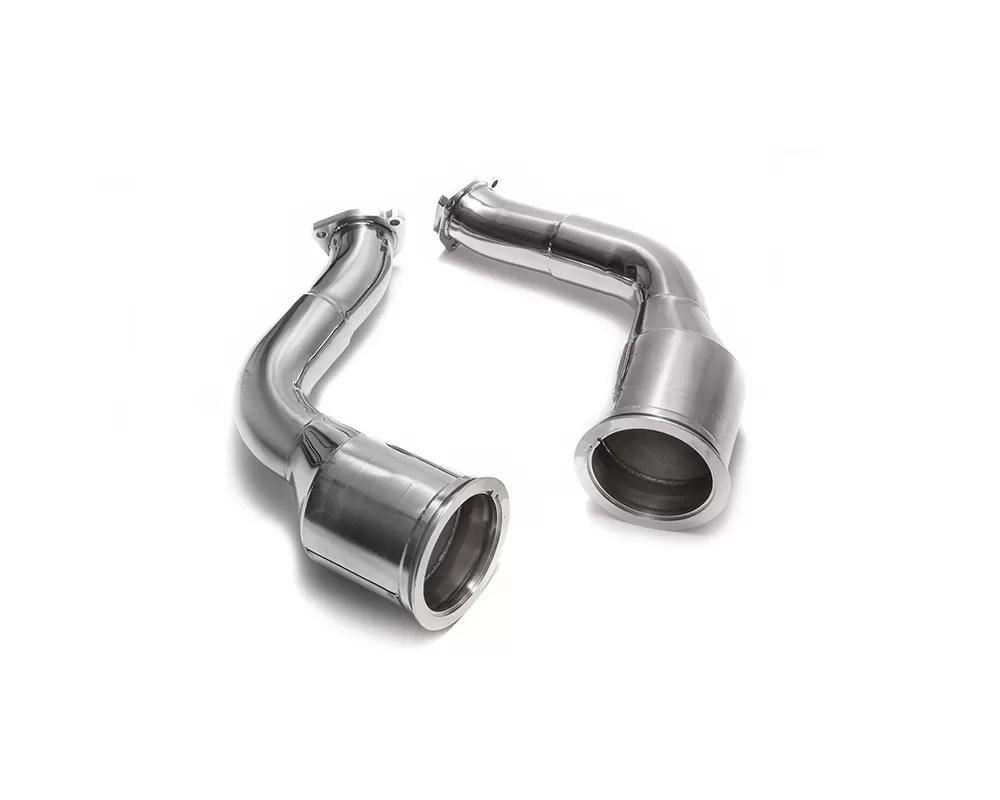
    Installing mercedes gt63 downpipes gine note deepens, gaining a rawness that the stock system politely smooths over. Cold starts become theatrical, not in a juvenile way, but in a way that feels honest.

    Throttle response improves in a way that’s hard to quantify but easy to feel. The car reacts faster, especially in the midrange. Turbo lag shrinks. The power delivery feels less filtered, more direct. You’re not suddenly driving a race car—but you are driving something that feels more connected to your right foot.

    And perhaps most importantly, it still feels like a GT63. Just a more awake one.

    Living With the Sound, Not Just Chasing It

    One of the biggest misconceptions about downpipes is that they’re all about noise. In reality, they’re about tone and efficiency. Volume is only part of the story.

    On the highway, a well-designed setup stays civilized. You can cruise for hours without drone making you regret your decisions. Around town, the exhaust has presence, yes, but it’s not constantly shouting. When you push the car, though—that’s when the difference becomes obvious. The engine doesn’t just get louder. It sounds freer.

    This balance matters. AMG cars are daily-drivable performance machines. Any modification that ruins that balance usually ends up being reversed. Downpipes, when chosen thoughtfully, tend to enhance rather than compromise.

    The E53 AMG: A Different Kind of Satisfaction

    The E53 AMG doesn’t get the same attention as its V8 siblings, but that’s part of its charm. It’s quick, refined, and deceptively capable. The inline-six with mild hybrid assistance is smooth, responsive, and efficient—but again, slightly restrained.

    A downpipe mercedes e53 amg  upgrade brings out a side of the car that many owners didn’t expect. The exhaust note becomes fuller, gaining depth without losing refinement. It doesn’t try to sound like a V8, and that’s a good thing. Instead, it leans into its own character—clean, sharp, and confident.

    Performance gains show up most clearly in responsiveness. The car feels lighter on its feet, more eager to pull. Turbo response improves, and the power delivery feels less staged. It’s not about chasing numbers. It’s about how the car behaves in real-world driving, merging onto highways, overtaking slower traffic, or just enjoying an empty stretch of road early in the morning.

    Practical Thoughts Nobody Likes to Skip

    Let’s pause the romance for a moment. Downpipes aren’t a plug-and-play fantasy with zero consequences. Emissions compliance depends heavily on location. Some setups require tuning to avoid warning lights. Installation quality matters more than people think.

    But here’s the thing: most owners who go this route already understand that performance comes with responsibility. Research helps. So does working with experienced installers. When done right, the downsides are minimal—and often worth it.

    Maintenance doesn’t dramatically change. Reliability, when paired with proper tuning and quality parts, remains solid. These engines are engineered to handle more than factory settings suggest.

    Why This Upgrade Feels Different

    There’s a reason downpipes often become a gateway modification. They don’t just change specs. They change how you experience the car.

    You start paying more attention to how the engine responds. You notice the sound bouncing off buildings. You find yourself driving with the windows down more often, not to show off, but to listen. It reconnects you to the machine in a way that spreadsheets and dyno charts never quite capture.

    Closing Thoughts from Behind the Wheel

    Cars like the GT63 and E53 AMG don’t need modification to be impressive. They already are. But for drivers who want to feel more, hear more, and engage more deeply with their car, downpipes offer something rare: transformation without betrayal.

    ¶¶¶¶¶

    ¶¶¶¶¶

    ¶¶¶¶¶

    ¶¶¶¶¶

    ¶¶¶¶¶

  • Matka games have remained popular among number-game followers for many years, mainly because of their simple structure and daily result updates. Among the most searched terms, kalyan final ank and tara matka attract regular attention from users who closely track results and number trends. This SEO-friendly article explains what these terms mean, how they are connected to matka results, and why they continue to be widely followed by enthusiasts.

    Understanding the Kalyan Matka Market

    kalyan final ank is one of the oldest and most recognized matka markets in India. It operates on a fixed schedule and declares results daily, making it a reliable reference point for many followers. Due to its long history and consistent timings, Kalyan results are often used as a benchmark when comparing other markets.

    The Kalyan market usually publishes open, close, jodi, and panel results. Among these, the final ank holds special importance because it simplifies the outcome into a single digit that many users focus on during analysis.

    What Is Kalyan Final Ank?

    Kalyan final ank refers to the last single-digit number derived from the total of numbers involved in the Kalyan result. If the total comes to a two-digit number, the final digit is considered the final ank. This method keeps result interpretation simple and uniform.

    Many followers pay close attention to the final ank because it helps them:

    • Quickly understand the result
    • Compare daily outcomes
    • Track repeating or missing numbers
    • Analyze short-term and long-term trends

    Although final ank does not guarantee predictions, it plays a central role in how results are read and discussed.

    Introduction to Tara Matka

    Tara Matka is another well-known name in the matka world. It is followed for its structured result updates and regular schedule. Tara Matka appeals to users who prefer checking multiple markets to compare number movements and outcomes.

    Like other markets, Tara Matka provides results in a clear format, allowing users to view daily numbers without confusion. Over time, it has gained attention due to consistency and accessibility across online platforms.

    Why Tara Matka Is Popular Among Users

    Tara Matka’s popularity comes from its easy-to-follow format and dependable updates. Many users like to check Tara Matka alongside other markets to study differences in final outcomes.

    Some reasons behind its popularity include:

    • Regular and timely result updates
    • Simple number structure
    • Easy access through digital platforms
    • Availability of past result records

    These features make Tara Matka a common reference point for number analysis.

    Importance of Charts and Result History

    Charts play an important role in both Kalyan and Tara Matka analysis. These charts display past results in an organized way, helping users observe number patterns over time. Many enthusiasts believe that reviewing history gives them better insight into how numbers behave.

    Charts are commonly used to:

    • Identify frequent final ank numbers
    • Observe gaps or missing digits
    • Compare market performance
    • Maintain personal tracking records

    While charts are not predictive tools, they are widely used for reference and study.

    Digital Access and Daily Updates

    With online platforms, users no longer need to rely on offline sources or delayed updates. Kalyan final ank and tara matka results are now available digitally, allowing users to check outcomes anytime from their mobile or desktop devices.

    Digital access offers:

    • Faster result availability
    • Clear and readable formats
    • Access to multiple markets in one place
    • Historical data for review

    This convenience has significantly increased user engagement.

    Responsible Use of Matka Information

    It is important to view matka-related content responsibly. This article is intended for informational purposes only. Laws related to matka vary by region, and users should always stay aware of local regulations.

    Responsible practices include:

    • Using results as reference only
    • Avoiding unrealistic expectations
    • Setting personal limits
    • Treating matka information as entertainment

    Conclusion

    Kalyan and Tara Matka continue to be widely followed due to their structured result systems and consistent updates. The final ank remains a key point of interest for result followers, especially in the Kalyan market. By understanding how these markets work and how results are presented, readers can stay informed and approach matka-related information with clarity and responsibility. Knowledge and awareness remain essential when exploring any number-based result system.

    ¶¶¶¶¶

    ¶¶¶¶¶

    ¶¶¶¶¶

    ¶¶¶¶¶

    ¶¶¶¶¶

  • There’s a particular kind of stress that only vehicle owners understand. It’s not dramatic, but it lingers. Insurance renewal dates scribbled somewhere, pollution certificates that expire quietly, and now—high-security number plates. The HSRP conversation didn’t arrive with fireworks. It crept in through notices, fines, and that one friend who casually mentioned, “Oh, I already got mine done.”

    At first, it feels optional. Then it doesn’t.

    What makes this change interesting isn’t just the rule itself, but how people respond to it. Some rush. Some delay. Some Google the same phrase five different ways, hoping clarity will magically appear on the screen. And that’s where the real story begins—not in the regulation, but in how ordinary drivers try to keep up.

    High Security Registration Plates were introduced with sensible intentions. Standardization. Security. A cleaner system. Before this, number plates in India were… creative. Fonts varied, sizes were inconsistent, and enforcement became a guessing game. You could argue that chaos had a certain charm, but it also had loopholes big enough to drive a truck through.

    HSRPs close those gaps. They’re tamper-proof, laser-etched, and tied to a centralized database. Once installed, removing or duplicating them isn’t easy. That’s good for law enforcement and, surprisingly, for regular drivers too. Fewer false challans. Faster recovery in theft cases. Less confusion overall.

    Still, understanding the logic doesn’t erase the friction of the process.

    Most people don’t mind rules. They mind unclear ones. And when booking systems are clunky or instructions feel half-written, frustration builds fast. You open a site, read one thing, scroll, read another, and suddenly you’re not sure if your vehicle qualifies, or if you’ve missed a deadline from six months ago.

    This is why so many drivers end up searching phrases like bookmy hsrp com late at night, half-expecting answers and half-prepared for disappointment. It’s not laziness. It’s survival in a digital maze where government processes meet real-life schedules.

    The booking itself, when done right, is fairly straightforward. You enter your vehicle details—registration number, chassis number, engine number. Choose a fitment location. Pick a date. That’s it. No agents whispering shortcuts. No mysterious “extra charges.” Just data going where it’s supposed to go.

    But here’s the thing people don’t say enough: timing matters. Waiting until enforcement gets strict turns a simple task into a scramble. Slots disappear. Centers get crowded. Suddenly, what could’ve been a calm half-hour becomes a half-day headache. Planning ahead doesn’t just save time; it saves mood.

    There’s also an emotional layer we rarely acknowledge. Vehicles aren’t just transport in India. They’re milestones. First salaries. Family road trips. Late-night food runs. Changing something as basic as a number plate feels oddly personal. You notice it every time you walk up to your bike or car. It’s small, but it’s visible.

    Some worry about how the new plates look, especially on older vehicles. Will it clash? Will it feel out of place? At first, maybe. But roads change. Norms settle. What looks strange today becomes background noise tomorrow. We adapt faster than we think.

    Another common concern is legitimacy. With so many unofficial sites and misleading ads floating around, people just want reassurance. They want to know they’re using the right platform, paying the correct amount, and following the actual rules—not someone’s creative interpretation of them. That’s why clarity and trust matter more than flashy design.

    A lot of drivers eventually land on searches like book my hsrp com , not because they love bureaucracy, but because they want closure. They want the task off their list. And once it’s done, there’s a quiet relief that’s hard to explain unless you’ve felt it yourself.

    What’s often overlooked is how this system benefits everyone collectively. Standard plates make traffic monitoring more accurate. They reduce identity fraud. They help create a uniform database across states—something India has struggled with for years. It’s not perfect, but it’s progress.

    Of course, rollout issues exist. Some regions handled it better than others. Communication could’ve been clearer. Support systems could’ve been more responsive. These criticisms are fair. But they don’t erase the long-term value of the change.

    If you’re still undecided, consider this: most people who’ve completed the process say the same thing afterward—“I should’ve done it earlier.” Not because it was exciting, but because it stopped nagging at them. One less loose end. One less thing to worry about during a routine traffic stop.

    That’s really what this is about. Not compliance for compliance’s sake, but reducing friction in daily life. Making systems a little smoother. Roads a little more orderly. And your own mental checklist a little shorter.

    Rules will keep changing. That’s inevitable. But how we approach them—calmly, informed, and a step ahead—makes all the difference. The HSRP shift is just another chapter in that ongoing story.

    ¶¶¶¶¶

    ¶¶¶¶¶

    ¶¶¶¶¶

    ¶¶¶¶¶

    ¶¶¶¶¶

  • It’s strange how something as ordinary as a number plate can suddenly feel important. For years, it was just a metal rectangle we barely noticed unless it was dirty or bent. Then, almost quietly, high-security number plates entered the picture and refused to be ignored. Notices appeared. Deadlines were mentioned. Friends started comparing notes in parking lots. And just like that, a small piece of metal became part of everyday conversation.

    Most changes on Indian roads don’t arrive with much explanation. They just happen. One day things work a certain way, the next day they don’t. The HSRP shift feels like that. Logical, even necessary, but wrapped in enough confusion to make people hesitate.

    At its core, the idea is simple. Standardize number plates so vehicles are easier to identify, harder to fake, and simpler to track if something goes wrong. Before this, plates varied wildly—fonts, spacing, sizes, even spelling errors. It gave the system character, sure, but also created loopholes. Stolen vehicles slipped through. Fake plates blended in. Enforcement became guesswork.

    High-security number plates tighten all of that. They’re laser-etched, tamper-proof, and linked to a central database. Once fitted, they’re not meant to be removed casually. That alone changes the equation. Suddenly, vehicles feel a bit more… accountable.

    But understanding the why doesn’t always make the how easier.

    For most vehicle owners, the stress isn’t about the rule. It’s about the process. Government portals aren’t known for warmth or clarity. Instructions can feel half-written. One page says one thing, another contradicts it. You read, scroll, reread, and still feel unsure. That’s usually when people start typing variations into search engines, hoping one of them leads to something understandable.

    It’s not unusual for someone to mutter, half-annoyed, half-hopeful, “Let me just book my hs rp and be done with it.” That phrase captures a mood more than a task. A desire to close the loop and move on with life.

    The booking itself, when things work properly, is refreshingly straightforward. Basic vehicle details—registration number, chassis number, engine number. Pick a fitment center. Choose a time slot. Submit. No secret steps. No hidden requirements. When done early, it can take less time than ordering dinner online.

    Timing, though, is everything. People who waited until the last moment learned this the hard way. As enforcement dates approached, slots filled up. Centers got crowded. What could’ve been a quiet errand turned into a stressful half-day commitment. Meanwhile, those who booked early barely remember the experience at all. There’s a lesson in that somewhere.

    Beyond avoiding fines, there’s a quieter benefit that doesn’t get enough attention: peace of mind. Standardized plates reduce the chances of mistaken identity. Automated challans become more accurate. CCTV footage makes more sense. Your vehicle is clearly, unmistakably yours. It’s not dramatic, but it’s reassuring.

    At some point during the process, people inevitably search for things like book my hsrp number plate , especially if they’re unsure whether they’re on the right site or following the correct steps. The wording may not be perfect, but the intention is clear. People want legitimacy. They want to know they’re doing this the right way, once, without complications.

    There’s also an emotional side to all of this that rarely gets acknowledged. In India, vehicles aren’t just transport. They’re milestones. First salaries. Family road trips. Late-night drives when the city feels calm. Changing something as visible as a number plate can feel oddly personal, like rearranging furniture in a familiar room. It takes a moment to adjust.

    Some worry about how the new plates look, especially on older bikes or cars. Will it feel mismatched? Maybe, at first. But norms settle quickly. After a few months, you stop noticing. Uniformity becomes background. Roads adapt, and so do we.

    Of course, the rollout hasn’t been flawless. Some states handled it smoothly. Others struggled with communication. Support systems could’ve been clearer, faster, more responsive. These criticisms are fair. But they don’t erase the long-term value of the change. Cleaner data. Better enforcement. Fewer loopholes.

    What’s interesting is how this small update subtly changes behavior. People become more aware of documentation. More conscious of deadlines. A little more organized, maybe out of necessity. It’s not a transformation, but it’s a nudge.

    Ask around, and you’ll hear a common refrain from those who’ve already done it: “Honestly, it wasn’t that bad.” Not exciting. Not memorable. Just… done. And that’s probably the best outcome for any administrative task.

    Rules will keep evolving. That’s inevitable. What matters is how we respond—whether we resist until forced or handle things calmly before they turn urgent. The HSRP transition is one of those moments where a bit of foresight saves a lot of irritation.

    In the end, the number plate itself isn’t the story. The story is how small, practical changes ripple through daily life, shaping habits and conversations without much noise. Once it’s installed, you’ll likely forget about it entirely.

    Until, of course, someone else asks you how to do it. Then you’ll smile, shrug, and say the same thing everyone eventually does: “Just get it done early. It’s easier that way.”

    ¶¶¶¶¶

    ¶¶¶¶¶

    ¶¶¶¶¶

    ¶¶¶¶¶

    ¶¶¶¶¶

Design a site like this with WordPress.com
Get started